Any links on this page that lead to products on Amazon and other companies may be affiliate links and we earn a commission if you make a qualifying purchase. Thanks in advance for your support!
At the exciting 2026 start to the NASA-led Artemis program of human lunar
flights, thoughts turn to the level of the UK government’s contribution to
spaceflight. Is the UK spending enough to keep up with other nations and
explore and utilise space effectively?
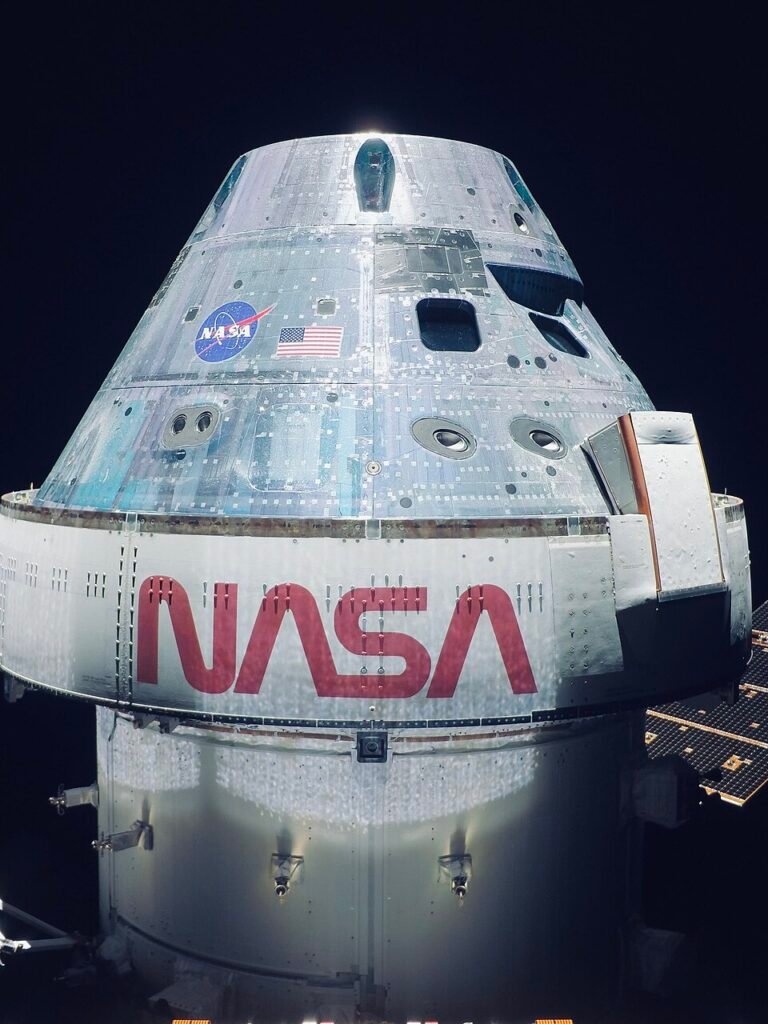
By comparison with other developed nations many argue that, unfortunately, the UK is
lagging well-behind in terms of its space investment commitment. Germany, France ,
Italy, Japan and Canada have secured seats on the Orion spacecraft as part of the
Artemis lunar programme – the UK has not due to its lack of space exploration
funding.
Despite being the sixth largest world economy, the UK is only ranked 17th in terms of space
spending rated against Gross Domestic Product (GDP). The UK commits to approximately
£660m per annum on civil space investment (2023 figures), but is well behind France,
Germany, Italy and India, being only the tenth in the world’s space investment league.
At 0.05%, the UK is well below the US allocation of 0.24% of its GDP to space.
The consequence of this lack of investment is that many believe that the UK misses out on
major industrial science, exploration and inspirational benefits that spaceflight provides for
the world.
Celebrating its 93 rd anniversary, the British Interplanetary Society (BIS) is currently focussing
on correcting this undesirable situation. Following the success of its effective 2005-9 “UK
Human Spaceflight” campaign, it is now urging members and the wider public to encourage
the government to invest more in space via a “UK Space Investment Campaign”.

The aim of the BIS Campaign is to persuade government to at least double the amount that
the UK currently invests in civil space projects.
Key issues:
The UK is only the tenth in the world space investment league and yet it is the
sixth largest economy.
Studies from consultants in 2023 showed that for every £1 invested in space
projects by the UK Space Agency (UKSA) at least £7 is generated for the UK’s
economy. Boosted investment in space by the government will benefit the
economy even more.
The UK’s Tim Peake showed the nation how inspiring space exploration can be
via his 2015-16 “Principia” ISS mission. Millions of school children were
involved via the STEM aspects of that highly successful initiative. The UK
needs more of this for future generations.
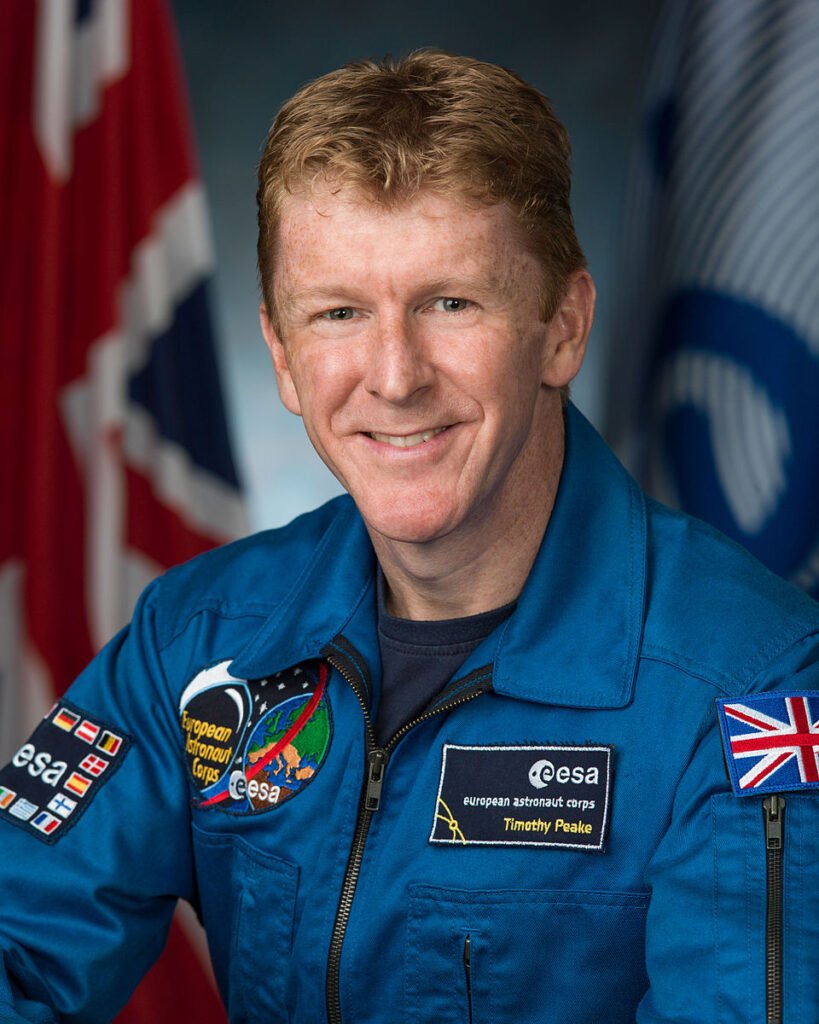
The UK was not involved in the construction of any major International Space
Station (ISS) elements and is not currently contributing to its future
replacement via emerging orbital stations such as the “Axiom Space” station,
Blue Origin’s “Orbital Reef “or the “Starlab” project in the USA. UK industry is
missing out on these potential high-tech manufacturing jobs.
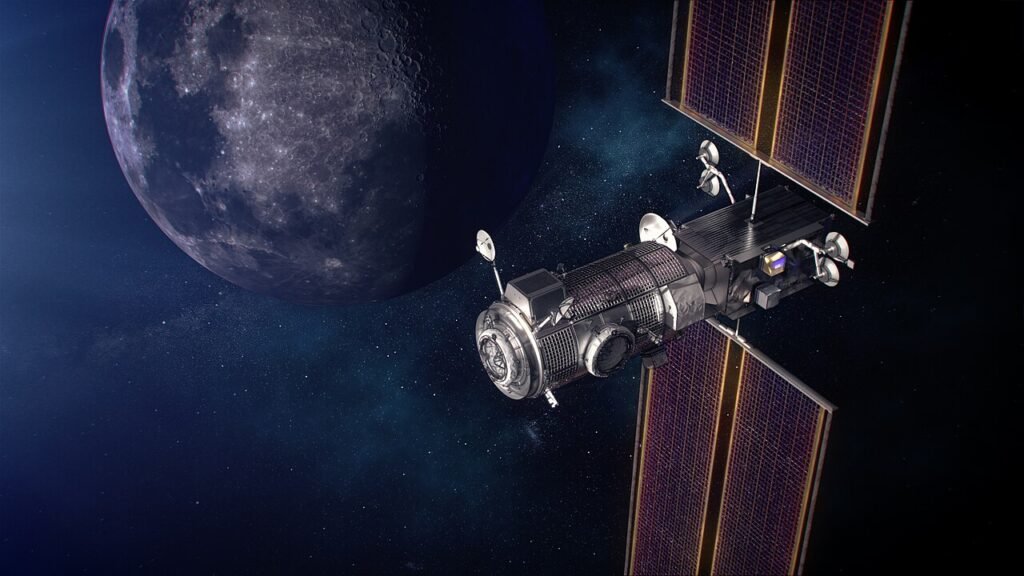
The current lunar Artemis project industrial commitments involve limited input
from the UK. Italy strongly benefits via its Thales Alenia company’s lunar
Gateway module construction. Germany leads on the key European Service
Module (ESM) manufacturing work for the Orion spacecraft. UK industry only
has a limited potential via the Moonlight coms satellite possibility and smaller
initiatives.
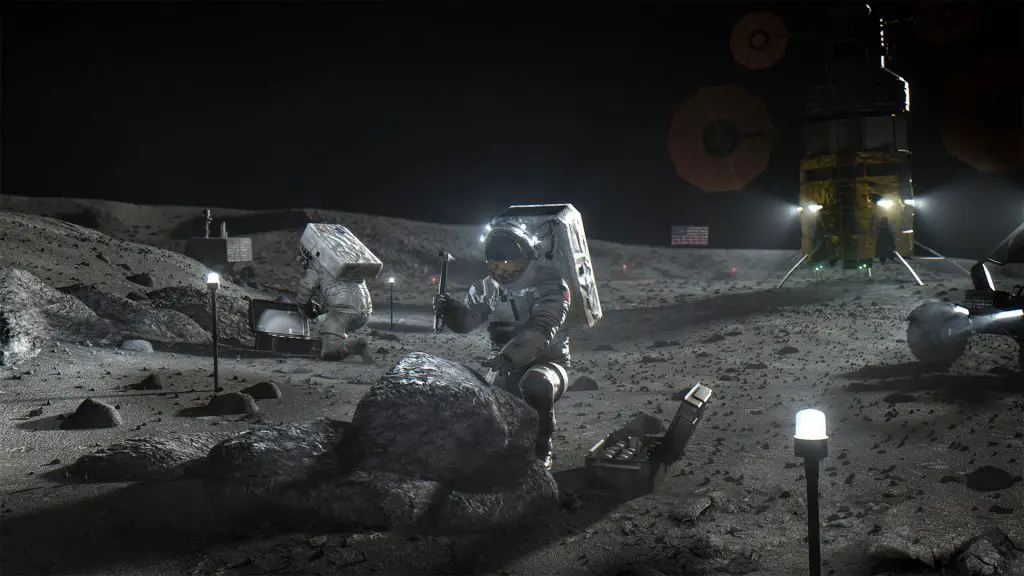
German, French and Italian astronauts are likely to be the first Europeans to
travel to the Moon via Artemis flights, acting as crews for the future lunar
Gateway station. The UK will likely have to wait for years before its currently
trained ESA astronauts Rosemary Coogan, Meganne Christian and John
McFall get any chance of taking part in Artemis missions.
German, French and Italian astronauts are now undertaking lunar lander
flight studies, via ESA’s emerging Argonaut lunar lander spacecraft
simulators. No British astronauts are involved in this.
A 2025 House of Lords report on the space economy said: “The UK
must act now if it wishes to be a leader in the growing space economy,
the new race for space.”
Space investment obviously links to national security and the
strengthening of UK national interests.
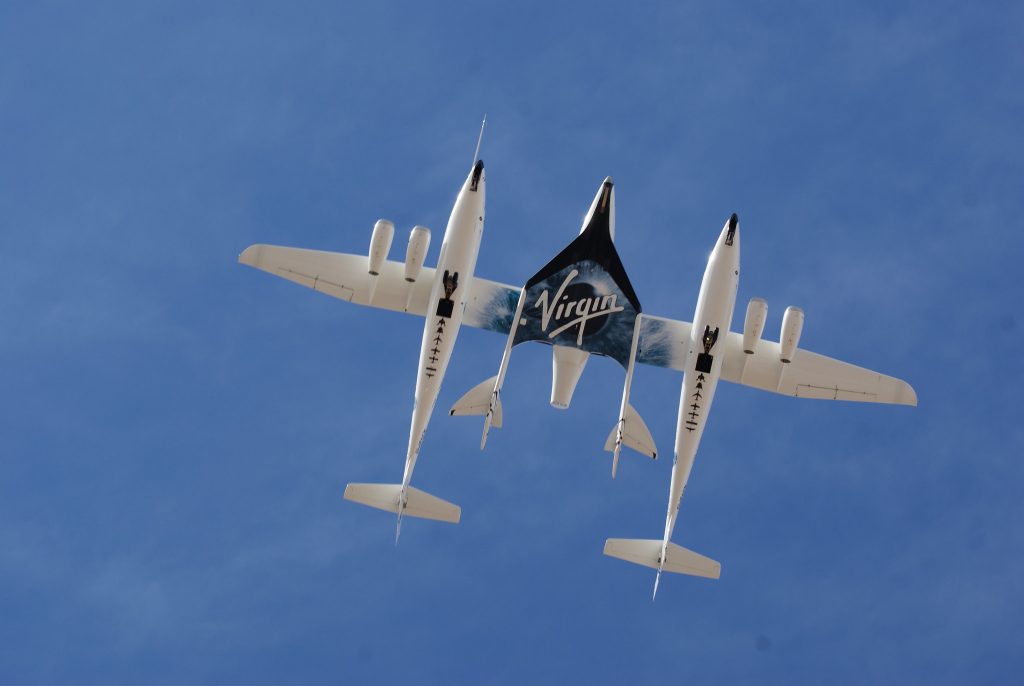
Regarding spaceflight providing inspiration for the world, the UK’s Virgin Galactic
sub-orbital astronaut Dave Mackay explains: “I believe that humans in space, or that
have been in space, are a great motivation and inspiration for others to get involved
in all it takes to achieve such activities.”
BIS campaign
Over 2026 the BIS is embarking on a series of media announcements and events,
the lobbying of UK MP’s, Ministers and the Secretary of State and spreading the
space investment Campaign message across the nation.
An on-line petition to Parliament is planned for later in the coming months.
In the meantime, the BIS membership and the public is encouraged to spread the
word of the “UK Space Investment Campaign” and contact their MP’s, the UK’s
Science Minister and the Secretary of State at the DSIT, pointing out the relatively
low performance of UK’s national space investment as compared to other nations
and asking for it to be increased by at least double to reap the resulting benefits for
the nation.
KEY UK MINISTERIAL CONTACTS:
UK Minister for Science at the DSIT – Lord Vallance; email Patrick Vallance :
hlinfo@parliament.uk
UK Secretary of State for Science, Innovation and Technology – Liz Kendall
MP; email: liz.kendall.mp@parliament.uk
Local MP email addresses via individual searches
Image credits: NASA’s Orion Spacecraft Solar Array Camera, National Aeronautics and Space Administration (NASA)